How to Develop a Fitness App: Cost Of Developing a Fitness App Private
5 months ago - Services - New York City - 206 views$ --


Investigating the Fitness App Phenomenon
The rise of digital health solutions is more than a passing trend—it’s a revolution. With over 80 million Americans actively using fitness apps, the United States has become the testing ground for innovations that blend healthcare, technology, and lifestyle. What was once a niche product for runners or yoga enthusiasts is now a multi-billion-dollar industry. But behind every app that promises to sculpt your body or monitor your heart rate, there lies a question worth investigating: how much does it really cost to build one?
Companies like Orangesoft have stepped into the spotlight as trusted developers of high-quality mobile applications, particularly in the wellness and fitness niche. Yet, developing a fitness app is not a one-size-fits-all journey—it requires strategy, investment, and a realistic understanding of costs.
To understand the financial aspects involved in creating a successful fitness application, you can read more about the cost of developing a fitness app at https://orangesoft.co/blog/how-to-create-a-fitness-app .
Anatomy of a Fitness App
To understand development costs, we first need to break down the moving parts of a fitness app. A modern fitness app is more than a collection of workout videos. It’s an ecosystem of technologies.
Core Features
User Profiles & Authentication – Secure sign-ups via email or social logins.
Workout Libraries – Video tutorials, personalized routines, and progress tracking.
Wearable Integration – Syncing with devices like Fitbit or Apple Watch.
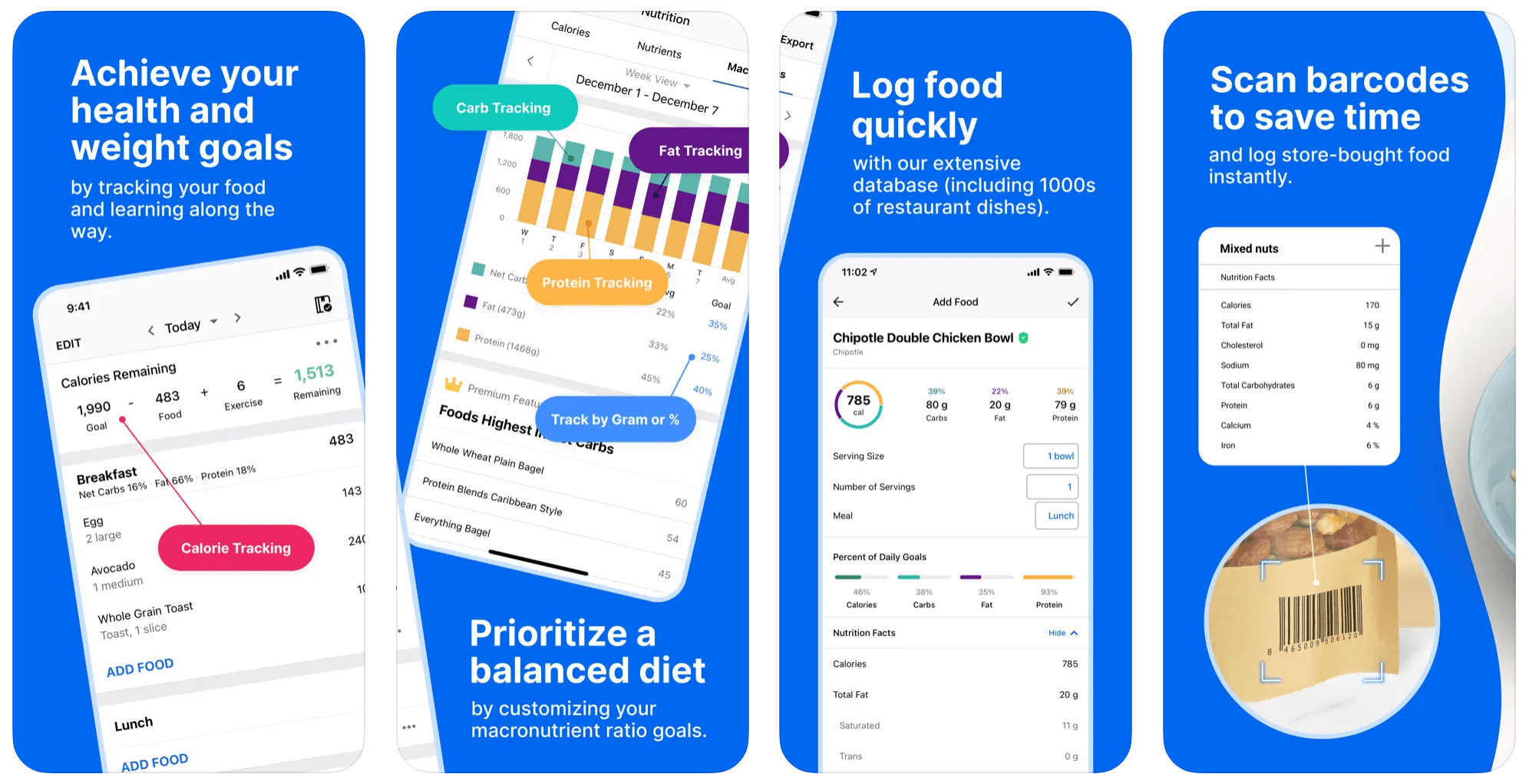
Nutrition Tracking – Meal logs, calorie counters, and AI-driven suggestions.
Gamification – Leaderboards, badges, and challenges to keep users motivated.
Push Notifications – Gentle reminders or nudges toward healthier behavior.
Analytics Dashboards – Progress graphs, calorie charts, and achievement timelines.
Each of these features adds to the complexity—and therefore the cost—of development.
The Cost Puzzle: Where Does the Money Go?
Fitness app development isnt a flat fee purchase. The costs are influenced by multiple layers:
1. Design & UX
In the U.S. market, design is everything. Users expect smooth interfaces that compete with apps from global giants. High-quality design often accounts for 15–20% of the budget.
2. Backend Infrastructure
Fitness apps rely heavily on databases and APIs. For example, integrating nutrition data from the USDA or workout tracking from Apple HealthKit requires complex backend architecture. This can make up 30–40% of total development costs.
3. Platform Choice
iOS: Faster to develop but with stricter App Store guidelines.
Android: Wider reach but more device fragmentation.
Cross-platform solutions: Cost-effective but may sacrifice some performance.
4. Integration With Wearables
Smartwatches and fitness trackers are at the core of U.S. fitness culture. Developing seamless integrations adds 20–30% more cost.
5. Security & Compliance
With U.S. laws like HIPAA in play, ensuring data security and compliance adds another budgetary layer.
Numbers on the Table: Estimated Costs
The investigation would be incomplete without specific figures. Based on industry insights and Orangesoft’s expertise, here’s a cost breakdown:
| Feature/Stage | Estimated Cost (USD) |
|---|---|
| Market Research & Discovery | $5,000 – $15,000 |
| UI/UX Design | $10,000 – $25,000 |
| Core Feature Development | $40,000 – $80,000 |
| Wearable Integration | $15,000 – $30,000 |
| Nutrition & AI Features | $20,000 – $40,000 |
| Testing & QA | $10,000 – $20,000 |
| Ongoing Maintenance | $5,000 – $15,000/year |
Total Development Cost: $100,000 – $200,000+ depending on scale.
U.S. Market Demands vs. Global Trends
Interestingly, the cost is not only determined by the complexity of the app but also by the market it is built for. In the U.S., competition is fierce, with big names like MyFitnessPal, Fitbit, and Peloton dominating. To stand out, newcomers must invest more heavily in design and unique features.
Globally, however, markets like Asia and Eastern Europe focus more on affordability, with simpler apps launched for 30–40% less cost. Thus, any company aiming to capture the U.S. audience must be prepared for a premium price tag.
The Alternative Perspective: Cutting Costs Smartly
Not every startup has $200,000 to invest. But heres where the alternative strategy comes in:
Start Lean – Launch a Minimum Viable Product (MVP) with core features only.
Use Cross-Platform Frameworks – Tools like Flutter or React Native reduce costs.
Leverage APIs – Instead of building nutrition databases from scratch, integrate existing ones.
Outsource Strategically – Development teams in Eastern Europe, including companies like Orangesoft, offer top-tier quality at more affordable rates compared to U.S.-based teams.
Is It Worth the Investment?
After digging into costs, challenges, and strategies, one conclusion emerges: developing a fitness app is expensive but potentially transformative.
In the U.S., the fitness app industry is projected to surpass $15 billion by 2030. With user demand steadily growing, a well-designed app could secure a strong slice of that market. However, the investment requires careful planning, feature prioritization, and collaboration with experienced developers.
Orangesoft and similar firms prove that while the cost of developing a fitness app may seem daunting, the right team can turn it into an opportunity worth every dollar.
The investigation reveals that fitness apps are not just software—they are health companions. Their development demands serious investment, but with the right approach, the rewards extend far beyond profit. In the United States, where lifestyle diseases are rising and digital health adoption is accelerating, the cost of building a fitness app might just be the most productive investment a company can make.