A Comprehensive Guide to Mechanical Lugs: Types,Applications, and Benefits Professional
1 year ago - Services - Michigan City - 83 views$ --

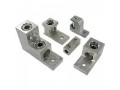
Mechanicallugs are critical features in electrical and mechanical systems that areutilized to attach wires or cables to machines, circuit breakers, or busbars.Their importance cannot be overstated as they facilitate safe, practical, andeffective electrical connections in any setting from large industrial machinesto simply the wiring in living quarters. We understand how your busy schedulesmight not allow you to dive into the details regarding the use of differenttypes of mechanical lugs, where to use them, and their benefits. Well, do notworry for we know you will skip what is important.
To knowmore about Mechanical Lugs- https://www.indianmetal.solutions/
What AreMechanical Lugs?
Suchprovably most critical components this mechanical lugs is thishigh-conductivity aluminum, copper, or bronze connectors. This connector joinswires to switches and other electrical devices or systems and can be said to bea safer option. More specifically, tips using crimping lugs should only beemployed in instances where a crimping tool is available; most mechanical lugdesigns fasten the wire using screws or bolts, thus enhancing ease of use.
They occupyseveral dimensions and can be designed in such a way as to target a number ofwire sizes areas of application of mechanical lugs. Mechanical Lugs sits wellin the electrical distribution system, Power Control Equipment, and groundingsystems.
Types ofMechanical Lugs
Single HoleLugs: As their name indicates, these lugs have only one hole for the stud orbolt. With limited extra room available in the application structure, theselugs allow quick and clean attachment of single conductor wires.
Two HoleLugs: These types of lugs have 2 holes in them for more firmer attachment andare mostly used where more reliability is required like in areas of constantvibration. This helps minimize the chances of the connection becoming loose,progressively, due to the added hole.
CompressionLugs: These lugs mostly have crimping features as their main function, however,compression lugs are also defined as mechanical lugs since they may provide aconnection. In most situations, these lugs are used where electricalconnections of high tension are required.
AluminumMechanical Lugs: With the aluminum lugs being light weight and anti corrosive,they can be used in exposed areas or where the surrounding is harsh. Installingthese lugs enables connecting copper and aluminum wire; however anti-oxidantpaste must be used to assist the prevention of corrosion when aluminum wiresare connected.
CopperMechanical Lugs: Extremely conductive in character, the copper lugs functionwith optimum performance in terms of electricity use efficiency. These lugs aremade compatible with copper wires best as they offer the best joint withoutcreating any suspicion of galvanic corrosion.
InsulatedLugs: These lugs instead are made of an insulative cover to help shield againstelectricity and moisture or contaminants that might exhibit detrimental effectsto the connection. Insulated lugs are mostly found in locations whereelectrical hazards are of major priority.
Applicationsof Mechanical Lugs
Mechanicallugs find application in various industries and fields with great versatilityand strength in electrical connections.. Some of the common applicationsinclude:
PowerDistribution Systems: Mechanical lugs are fitted on electrical panels,switchgear and within power distribution units to hold and connect circuits bymeans of wires to circuit breakers, transformers or busbars. They are welldesigned allowing an effective and stable connection in the presence of highcurrent loads.
IndustrialEquipment: During industrial operations, mechanical lugs come in handy wherelarge wires and cables are fixed to motors, generators and other bulkyequipment. These lugs provide normal shear connections withstanding highloading, high vibration, and temperature.
ResidentialWiring: In most residential electrical systems, mechanical lugs serve thefunction of connecting wires to j-boxes, breakers or ground systems. Theirpractical character makes them appropriate for situations like home wiring,restoration or enhancement.
RenewableEnergy Systems: Energy generation installations such as solar and wind alsodepend on mechanical lugs to connect wires from the energy generating systemsto the inverters or the storage batteries. The reason is that lugs areconstructed of high conductivity materials and highly resistant to corrosion.
Automotiveand Marine Applications: Mechanical lugs are also prominent features ofautomotive and marine applications where they are used to connect wires tobatteries, alternators, and other electrical devices. Since vibration oftencauses poor electrical connection, these connections are also ideal for theseenvironments due to the connection strength offered.
Benefitsof Using Mechanical Lugs
Ease ofInstallation: In contrast to crimp lugs, which have a complex installationprocedure and call for the use of special tools, mechanical lugs may be fixedwith just hand held devices. The screw or bolt fitting makes it quite adaptablein the sense that fewer tools are required in the establishment of conjoiningof parts.
Reusability:The first advantage to mechanical lugs is that they are reusable. For instance,if you have to take apart or move electrical systems employing mechanical lugs,these can be removed and placed back without harming the wires or connectionends.
HighDurability: Constructed out of aluminum, copper, and other strong andcorrosion-resistant rare materials, mechanical lugs are well protected againstadversities of the environment. Irrespective of extreme temperatures, highhumidity or even vibrations, the mechanical lugs ensure a strong stableconnection.